
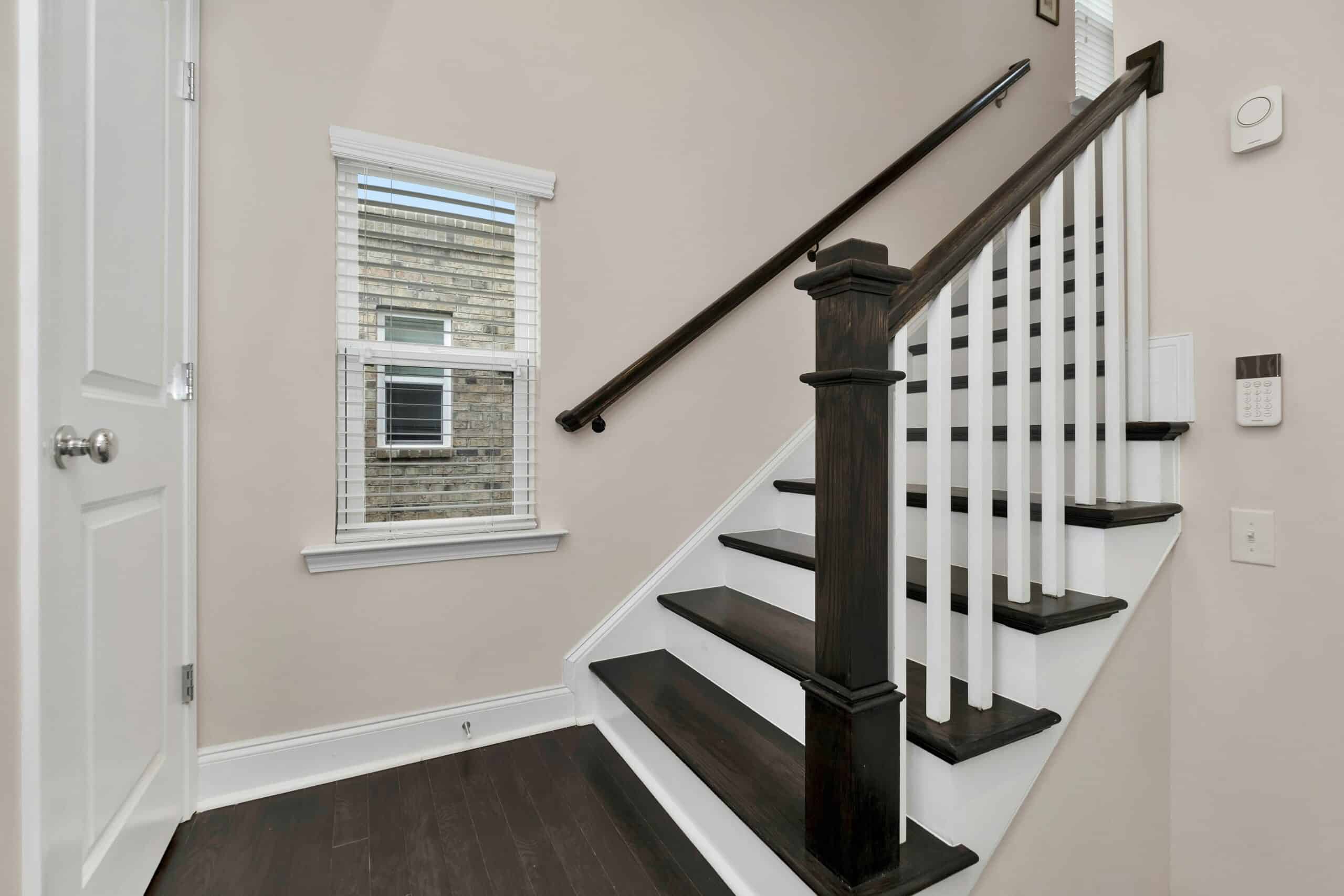
There’s a growing drumbeat in the industry right now: in many markets, it’s cheaper to build new than to renovate. On the surface, that sounds compelling, but short-term cost savings aren’t the only variable that matters. The real question is whether building more is actually the smartest solution in today’s housing environment.
This piece explores the idea that revitalizing existing housing stock may be the more strategic, and in some cases lower-risk, move in this cycle that still helps our nation address its housing affordability crisis.
The Narrative Gaining Traction
● Builders are offering incentives.
● Rate stabilization is improving project modeling.
● Some research suggests acquisition + rehab can exceed new-build pricing.
● More capital is flowing into ground-up development.
That’s the headline, but it may not tell the whole story.
We Don’t Just Have a Housing Shortage, We Have an Aging Housing Stock
● A significant share of U.S. homes were built decades ago.
● Many are structurally solid but outdated.
● In dense MSAs, there’s limited room to meaningfully expand supply. Focus on areas like the northeast, where limited space and tight regulations make building from the ground-up very expensive.
● Building outward often means sprawl, infrastructure strain, and higher long-term costs.
Key idea: In many established markets, the opportunity isn’t creating more rooftops, it’s modernizing the ones already there.
The Overbuilding Risk Hiding in Plain Sight
● Certain high-growth markets are already showing signs of saturation.
● Heavy concentration of development in “smile state” regions.
● History reminds us: when supply overshoots, smaller operators feel it first.
Ground-up construction carries:
● Longer timelines
● Greater exposure to rate shifts
● Higher capital concentration
By contrast, renovation tends to offer:
● Shorter project cycles
● More controlled risk
● The ability to scale incrementally
In this phase of the market, agility may matter more than expansion.
The Affordability Conversation We’re Not Having
● New homes are typically larger than what entry-level buyers need.
● First-time buyers are squeezed on both ends, resale and new build.
● Renovation strategies can: 1) Reconfigure outdated layouts, 2) Convert SFRs to duplexes, 3) Add ADUs, 4) Increase density within existing footprints
In other words, revitalization can quietly expand supply, without expanding geography. That may be especially important in markets where land simply isn’t available.
The 12-Month Variable
If rates continue to ease over the next year (as they are on pace to):
● Renovated inventory could come to market at a favorable moment.
● Shorter-cycle projects may benefit from improved pricing conditions.
● Long-duration builds remain more exposed to macro shifts.
Timing matters, and shorter duration can mean less exposure.
Who Is Positioned to Execute?
● Experienced fix-and-flip operators with deep local knowledge.
● Investors focused on neighborhood-level demand.
● Builders specializing in value-add rather than large-scale expansion.
● Operators with access to flexible capital.
Access to financing remains a barrier for many smaller builders through traditional channels and alternative lending continues to play a meaningful role in enabling localized housing revitalization. We can talk about what Unitas has to offer here.
A More Balanced Framing
This isn’t an argument against new construction. There are markets where true housing deficits require new supply. But in many established MSAs, the better question may be: Are we underestimating the power of reinvestment? Because in this cycle, revitalizing existing inventory may offer:
● More flexibility
● More responsiveness
● More alignment with affordability needs
● And potentially less systemic risk
Before we build another house, we should ask whether building is the solution, or simply the most visible one. In many communities, the real opportunity may not be expanding outward. It may be rebuilding from within.





















0 Comments