
With the housing market in low gear right now, pulling out all the stops to sell a house quickly and for top dollar is essential for success. Real estate agents are using every trick of the trade to secure buyers, but sometimes the extra push comes not from staging, but from design.
I’m not talking about the expense of full-scale professional staging. I’m talking about designing a home to sell. Designers understand what sells and why, often going beyond the traditional real estate playbook. Too often, houses are viewed merely as “financial commodities” rather than someone’s future “dwelling.” This mindset overlooks the emotional connection that buyers need to truly engage with a property.
When sellers fail to tap into buyers’ emotions, they ignore the natural decision-making tools we are all born with — our senses. By neglecting these senses, the selling process slows down, costing valuable time. Using sensory marketing is not a new idea; it’s an age-old tactic rooted in science. Known formally as “Sensory Marketing,” this strategy emphasizes how sight, sound, smell, touch, and taste influence consumer behavior. In real estate, ignoring this can be a costly mistake.
A Brief History of Sensory Marketing
Sensory appeal has been part of commerce since ancient times. Early vendors used taste, smell, and touch to attract buyers. By the mid-20th century, Ernest Dichter recognized the potential of emotional branding through sensory experiences.
▷ THE 1930S. Department stores began experimenting with background music and scents to influence shoppers’ moods.
▷ THE 1940S. Large posters and roadside billboards made visual marketing mainstream.
▷ THE 1970S. Casinos pioneered the use of diffusers to mask smoke and fill the air with fresh scents. They also discovered the psychological power of color — reds to create excitement, yellows for comfort and conversation.
▷ THE 1980S. Gift stores often offered flavored coffee samples to shoppers, encouraging them to linger longer and feel compelled to buy.
Research has continued to show that engaging the senses creates deeper emotional connections between people and products. Designing a home to sell is no different.
Sight
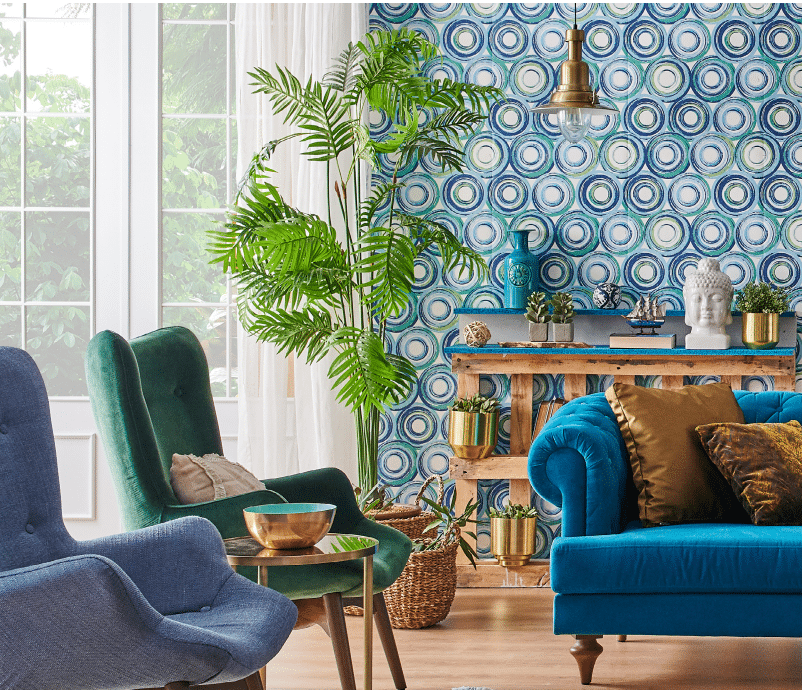
Sight is the most powerful marketing tool, as it is usually the first sensory stimulus. Color and imagery are critical in interior design to drive excitement and connection. Understanding color psychology is essential for selling. For example, the color red raises energy and intrigue. Designers often recommend incorporating red subtly with throw pillows, blankets, or floral arrangements. A few red roses in the front yard or a bowl of apples on the kitchen island can spark curiosity and excitement. Imagery also plays a major role. Sellers are not just offering a house — they’re offering a lifestyle. Photos of nearby beaches, cityscapes, or country settings can help buyers imagine life in that area. This visualization pushes buyers one step closer to a purchase.
Sound
Sound triggers emotional responses, often subconsciously. But not all music has the same effect. Women’s clothing stores, for example, tailor background music to specific demographics: upbeat for teens, classical or live piano for luxury shoppers. The same principle applies in real estate. Choosing the right background music depends on the target buyer. Relaxing instrumental music may help one group, while lively tunes may better suit another. Sounds such as wind chimes or water fountains can also create atmosphere and leave a lasting impression.
Smell
Smell is one of the most powerful marketing tools, capable of increasing the amount buyers are willing to spend. Scents stimulate the brain’s limbic system, which governs emotion and memory. Each scent creates different effects:
▷ COFFEE, HAZELNUT, OR VANILLA. These notes are great for kitchens, evoking comfort and warmth.
▷ CLEAN LINEN OR FLORAL CANDLES. These scents are ideal for bathrooms.
▷ CITRUS. These essences are perfect for living rooms, entries, and bedrooms, as they are “simple scents” that the brain processes easily, encouraging buyers to linger and connect with the home.
The right scent fosters a sense of “home” during showings and creates a lasting impression after buyers leave.
Touch
Encouraging buyers to physically interact with a home deepens their emotional connection with the space. Simple gestures like sitting by the fireplace, lounging in a theater chair, or resting at the kitchen table create psychological ownership. This boosts perceived value and purchase confidence. Though sometimes overlooked, touch is one of the most powerful senses in building an attachment between buyers and a property.
Taste
Taste plays a role, too. Offering food and drinks at open houses is common, but private showings often miss this opportunity. Providing refreshments encourages buyers to stay longer, engage other senses, and feel more at home. Sharing food during a showing is more than hospitality — it helps buyers connect emotionally and remember the experience more vividly.
The Big Picture
The purchase of a home is not just financial; it’s deeply emotional. Engaging all five senses ensures buyers don’t just see a property, but experience it. When buyers feel at home, they are more likely to make one their own.





















0 Comments